


A music publicist shapes an artist’s public narrative, secures media coverage, prepares press materials, and coordinates campaigns around releases, tours, and career moments. Services often include journalist outreach, interview pitching, messaging, social support, and crisis guidance. Campaigns commonly begin three months early, using a clear story and polished assets to build momentum. Costs typically range from £1,500 to £10,000 monthly. The sections ahead explain when PR is worthwhile, what to prepare, and how to hire.
Table of content
Introduction
Key Takeaways
What Does a Music Publicist Do?
Do You Need a Music Publicist?
What Results Can Music Publicists Deliver?
How to Define Your Release Story
What Assets Does a Music Publicist Need?
Which Music Publicist Services Matter Most?
How Does a PR Campaign Build Momentum?
What Is a Music Publicist Timeline?
What Does a Music Publicist Cost?
How Do You Hire a Music Publicist?
Frequently Asked Questions
Conclusion
Key Takeaways
Music publicists build an artist’s profile through media outreach, messaging, press materials, social strategy, and reputation management.
They are most valuable around releases, tours, major announcements, or career milestones requiring co-ordinated media attention.
Typical services include press kits, release narratives, journalist pitching, interview booking, coverage follow-up, and crisis communication support.
Campaigns should begin at least three months before release, with outreach starting one to two months ahead.
Music PR commonly costs £1,500–£10,000 monthly; ask about genre experience, media relationships, case studies, deliverables, and crisis plans.
What Does a Music Publicist Do?
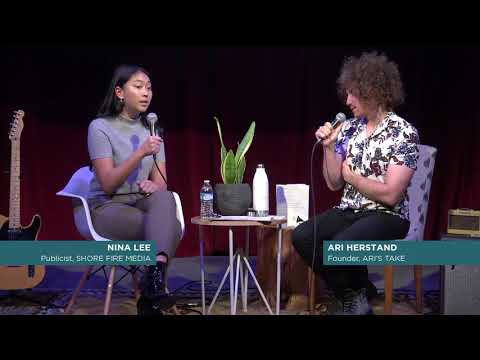
A music publicist builds and protects an artist’s public profile through targeted media outreach and coordinated promotional campaigns. The publicist's job is to turn releases, tours, announcements, and milestones into credible coverage that reaches relevant audiences.
They develop PR plans, prepare press kits, shape messaging, and pitch journalists, editors, and platforms for interviews, reviews, and feature stories. By utilising media relationships, they help position an album or tour within timely cultural conversations.
They also manage social media activity and online visibility, maintaining a consistent voice across channels. Behind the scenes, publicists coordinate with managers, booking agents, and other team members so promotional timing supports wider career objectives.
When negative attention arises, they provide crisis guidance, assess options, and help preserve public trust through disciplined communication. Additionally, they set clear campaign goals that align with the artist’s brand and target audience to measure success effectively.
Do You Need a Music Publicist?
Whether an artist needs a music publicist depends on career goals, timing, and internal resources.
Artists preparing an album release, tour, or major career step may benefit most when publicity must be coordinated alongside other campaign priorities. Music PR is especially relevant when an independent act needs a structured media strategy but lacks the time, expertise, or relationships to manage outreach consistently.
The decision should also reflect budget and risk. Many independents treat PR as a serious investment, often allocating an amount comparable to recording costs—around £10,000 when circumstances support it. Additionally, understanding music grant opportunities can provide alternative funding solutions for artists looking to enhance their promotional efforts.
A publicist can provide valuable guidance when press attention becomes negative or a sensitive issue requires careful handling. Before hiring, an artist should confirm that the project, audience plan, and available resources justify it.
What Results Can Music Publicists Deliver?

Effective music publicity can turn a release or career moment into measurable visibility, placing an artist before new audiences through blogs, radio, interviews, and other media outlets. Strong campaigns can raise visibility by as much as 50%, although outcomes depend on genre, timing, market conditions, and the campaign's execution.
High-profile coverage builds credibility and brand recognition, while repeated exposure can convert attention into streaming growth, ticket demand, and revenue opportunities. Publicists also coordinate media responses during difficult moments, helping protect reputation and redirect negative press towards constructive engagement. These results strengthen an artist's position in the music business by creating evidence of audience interest for promoters, partners, and industry decision-makers. Their work does not guarantee coverage or sales, but targeted outreach can compound momentum. Additionally, strategic planning of timelines ensures that campaigns are executed effectively and align with key release dates.
How to Define Your Release Story
Media results become more attainable when a release is anchored by a clear, distinctive story. A strong release story identifies the musical themes, influences, and personal experiences that give listeners and journalists a meaningful reason to pay attention.
It also places the project in context: its timing, relevant events, and relationship to wider music movements or cultural conversations. Credibility grows when the narrative connects the new work to relevant milestones, including achievements, collaborations, or notable performances.
The most effective approach is focused: one central idea should guide how the artist describes the release across interviews, biographies, and social channels.
Sharing genuine context and creative perspective invites audience participation, strengthens recognition, and supports organic conversation around the music over time for broader discovery and engagement. Additionally, ensuring your release aligns with consistent artist branding can further enhance its appeal and reach.
What Assets Does a Music Publicist Need?
A music publicist relies on a focused set of assets to turn a release story into credible, targeted media outreach. A complete press kit gives journalists the essentials: a professional bio, high-quality photos, and direct streaming links that make coverage easier to evaluate and publish.
Equally important, trusted relationships with relevant journalists create access to interviews and features that generic pitching rarely earns. The artist’s website and social profiles should be current, consistent, and simple to navigate, reinforcing legitimacy when editors research a prospect.
Writing skill converts these materials into clear press releases and promotional copy with a compelling narrative.
Finally, industry knowledge of trends and audience preferences helps the publicist match angles, outlets, and timing to each publicity campaign, maximising relevance and response. Additionally, understanding music publishing rights enables publicists to effectively communicate how an artist's work is protected and monetised, enhancing the overall narrative.
Which Music Publicist Services Matter Most?
The most valuable music publicist services combine targeted media outreach and compelling press kits with a clear campaign strategy. Interviews, releases, and media placements build visibility, while co-ordinated messaging sustains attention across a launch. Crisis support is equally essential, protecting the artist’s reputation when negative coverage threatens momentum. Investing in professional PR services can significantly enhance audience engagement and ultimately lead to more successful outcomes for the artist.
Media Outreach and Press Kits
Strong media outreach and a polished press kit are among the most valuable services a music publicist provides. A thorough kit gives editors and producers the essentials needed to assess an artist quickly: streaming links, a concise biography, professional promotional photos, and a clear story that supports coverage.
Publicists may collaborate with freelance writers to shape that biography, since a compelling narrative can sharpen an artist’s appeal. Through targeted outreach and established media contacts, they place artists before relevant outlets and pursue interviews, on-air appearances, and feature articles.
Preparation should begin roughly three months before an album release, allowing materials to meet publication lead times. Many publicists also manage social media accounts, sustaining consistent engagement and visibility across platforms between press opportunities and releases.
Campaign Strategy and Crisis Support
Strategic campaign planning is often the service that determines whether an album release or tour earns sustained attention rather than a brief spike in visibility. A publicist builds a tailored campaign strategy around press materials, interviews, features, and social visibility, coordinating each element to reinforce the artist’s narrative and reach.
Because many publications work roughly three months ahead, early planning positions pitches within relevant editorial calendars instead of chasing coverage after release day. Strong media relationships further support credible appearances and long-term reputation.
Crisis support is equally valuable: the publicist assesses negative attention, recommends a response, prepares statements, and limits avoidable damage. Artists should budget accordingly; PR investment may reasonably match recording costs, such as allocating £10,000 to each function when the release warrants.
How Does a PR Campaign Build Momentum?
Momentum in a music PR campaign begins with a well-timed press kit, complete with streaming links, advance copies, and a clear artist narrative that gives media outlets a compelling reason to cover the release.
PR firms build on that opening by matching pitches to outlets whose audiences align with the artist’s sound and story. Targeted outreach creates opportunities for interviews, reviews, and feature stories, turning initial interest into credible third-party attention.
Freelance writers can strengthen this process by shaping relatable, shareable narratives around the music and the artist’s perspective. On-air appearances and coordinated social media activity then extend each placement, giving fans repeated reasons to listen, engage, and share.
When every touchpoint reinforces the same message, coverage compounds into sustained visibility and stronger audience interest. Additionally, leveraging community engagement can further amplify the campaign's reach and foster a loyal fanbase.
What Is a Music Publicist Timeline?
A music publicist timeline organises that momentum into a disciplined sequence of preparation, outreach, and follow-through around a release or major event.
In the music industry, planning commonly begins at least three months ahead, giving campaigns enough room to shape a credible narrative and reach relevant editors.
Two to three months out: materials, press kits, and media lists are finalised.
One to two months out: outreach seeks interviews, previews, and appearances.
Final month: social updates and promotional activity concentrate audience attention.
After release: relations, feedback, and continued pitching sustain coverage for weeks or months.
This cadence lets each signal reinforce the next, turning initial interest into durable visibility rather than a short-lived release-day spike across priority outlets and audiences consistently. Additionally, maintaining a robust email list can significantly enhance outreach effectiveness throughout the campaign.
What Does a Music Publicist Cost?
Music publicist costs commonly range from £1,500 to £10,000 per month, with pricing shaped by the publicist’s experience, campaign scope, genre, and target media.
Most campaigns begin with a retainer, often £2,000 to £5,000 upfront, supporting strategy, asset review, outreach planning, and continuing publicity work.
Separate charges may apply for press-kit development, media appearances, or other specialised deliverables, adding hundreds or thousands of pounds.
A music publicist should thus be evaluated against the campaign’s objectives rather than a monthly figure alone.
For independent artists, a promotional budget comparable to recording costs is a useful benchmark; effective PR frequently requires at least £10,000.
Strategic PR can lead to increased audience engagement and visibility, making the investment worthwhile for many artists.
Clear agreement on priorities, deliverables, and audience focus helps align spending with the release’s commercial and reputational goals over time more effectively.
How Do You Hire a Music Publicist?
Hiring a music publicist begins with matching the artist’s goals, genre, and release timeline to a specialist with relevant media relationships and a verifiable campaign record.
Assess genre-specific experience: hip-hop and Americana often require different outlet strategies and narratives.
Request case studies showing interviews, features, and appearances earned for comparable artists.
Confirm the publicist’s active media network, campaign process, reporting cadence, and crisis-management plan for negative coverage.
Set a realistic budget before outreach; established PR campaigns may warrant investment near recording costs, commonly around £10,000.
Finally, evaluate responsiveness, transparency, and fit with the release schedule. The selected partner should translate a defined story into credible coverage while safeguarding reputation and making each campaign decision accountable to measurable audience growth, industry attention, and longer-term momentum. Additionally, consider their ability to implement cost-effective campaign strategies that align with the artist's unique needs and goals.
Frequently Asked Questions
How Much Does a Music Publicist Cost?
A music publicist typically costs £1,000–£10,000 monthly, while project campaigns run £500–£5,000. Pricing structures depend on experience, campaign scope, and artist goals; budgeting alongside recording expenses supports sustained, strategically aligned publicity effectively.
How Much Money Does a Music Publicist Earn?
Music publicists typically earn £40,000–£75,000 annually, while senior label professionals may exceed £100,000. Freelancers often bill £1,500–£5,000 monthly or £50–£200 hourly. Industry trends show proven campaign results, location, and client portfolios strongly influence earning potential across competitive music markets.
Do Publicists Get Paid Well?
Yes, publicists can be paid well, particularly in major markets or with established clients. Earnings potential rises through experience, high-profile campaigns, freelance retainers, bonuses, and commissions, though early-career compensation and income stability may remain modest.
What Skills Do You Need to Be a Music Publicist?
A music publicist needs exceptional writing, media relations, networking, social media management, and clear communication. Industry knowledge enables targeted campaigns, while strategic judgement helps shape artist narratives, secure coverage, coordinate teams, and manage reputational challenges effectively.
Conclusion
A music publicist can help turn a release into a story that reaches the right listeners, media outlets, and industry contacts. Success depends on clear goals, strong assets, realistic timelines, and a campaign that builds momentum before and after launch. While PR cannot guarantee coverage or streams, the right publicist can create valuable visibility and credibility. Artists should compare services, costs, and communication styles to find a partner aligned with their music and long-term strategy.
Subscribe to our newsletter
Stay updated with the latest Muso news, tips, and success stories. Subscribe to our newsletter and never miss an update!


