


Effective music PR empowers independent artists to stand out by crafting authentic stories and building trust with audiences and media. Strategic press kits, high-quality visuals, and private music links guarantee professionalism and accessibility for journalists. Timely planning, targeted budgeting, and tailored pitches boost coverage opportunities across blogs and playlists. Monitoring results with analytic tools helps refine future campaigns for lasting impact. Learn actionable steps and insider tactics to maximise exposure and uplift your music career to the next level.
Table of content
Introduction
Key Takeaways
Tell Your Story and Stand Out
Build an EPK That Gets Noticed
Plan Your PR Timeline and Budget
Pitch Your Music to Blogs and Playlists
Measure Results and Refine Your Strategy
Frequently Asked Questions
Conclusion
Key Takeaways
Craft authentic storytelling in your artist bio and press materials to build emotional connections and stand out in the music industry.
Develop a clear, regularly updated EPK with high-quality photos, music links, and recent press mentions for media outreach.
Start PR outreach 6–8 weeks before release, set milestones, and allocate budget for press kit and campaign tools.
Tailor pitches to each blog or playlist, include a compelling press kit, and follow up professionally to maximise coverage.
Track campaign effectiveness using analytics tools and audience metrics, and refine your strategy based on measurable goals and feedback.
Tell Your Story and Stand Out
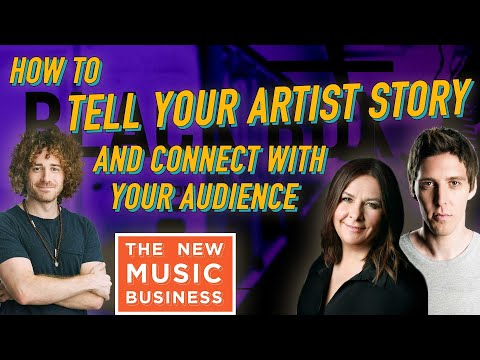
A compelling narrative is a powerful tool for independent artists seeking to distinguish themselves in a crowded music environment. By choosing to tell your story authentically, artists can forge emotional connections with listeners and journalists alike.
A well-crafted artist biography, rich with personal anecdotes and influences, brings depth and relatability to press materials and music promotion efforts. Incorporating these storytelling elements into a press kit guarantees that the artist’s unique perspective is front and centre, making it easier for media outlets to remember and feature them.
Sharing behind-the-scenes moments, creative processes, and milestones through social media further amplifies this connection, inviting fans into the artist’s journey. Additionally, leveraging targeted content that resonates with specific audience segments can enhance engagement and visibility. Strategic storytelling not only builds engagement but also positions an artist distinctively within the competitive music industry.
Build an EPK That Gets Noticed
When it comes to gaining media attention, a well-constructed Electronic Press Kit (EPK) serves as a critical bridge between independent artists and journalists.
An effective EPK should clearly present the artist’s name, project type—whether it’s a single, album, or tour—and a succinct biography outlining musical influences and achievements.
Including a private SoundCloud link enables journalists to access music easily, increasing the likelihood of coverage. High-quality press photos, taken with a professional camera, are essential for publication and should capture the artist’s distinct image.
Embedding music videos can further showcase artistry and engage media contacts. By continuously updating the EPK with notable press mentions and testimonials, artists reinforce credibility.
Regular updates maintain relevance in the music industry and enhance the chances for promotion and playlist additions.
Strategic targeting of smaller outlets also maximises opportunities for meaningful press coverage.
Plan Your PR Timeline and Budget

Careful orchestration transforms a music release from a fleeting event into a sustained moment of attention. For independent artists, planning PR efforts with a strategic timeline and budget is crucial to maximise exposure.
Initiating outreach 6–8 weeks before a release allows time to create buzz, while allocating a budget for a compelling press kit and targeted campaign tools guarantees professionalism.
Establishing clear milestones—such as distributing press releases, scheduling social media teasers, and securing interviews—keeps momentum high. Setting specific goals for each campaign phase enables measurable progress.
Factoring in time for diligent follow-ups with journalists can make the difference between coverage and obscurity. Additionally, utilising effective distribution ensures your music is accessible on all major streaming platforms, amplifying your outreach efforts.
Define a 6–8 week PR timeline
Allocate a realistic PR budget
Plan key campaign milestones
Set measurable promotional goals
Schedule timely follow-ups
Pitch Your Music to Blogs and Playlists
To effectively pitch your music to blogs and playlists, research each platform’s style and audience, tailoring your approach to resonate with their specific interests. Including a well-crafted press kit and a compelling press release—highlighting your track’s unique qualities and artist story—can set you apart from countless submissions. Strategic marketing strategies, such as utilising platforms like SubmitHub, streamline outreach and maximise exposure. Additionally, understanding submission guidelines and adhering to deadlines can significantly boost your chances of securing features. Persistence is key; following up with a polite reminder after a couple of weeks signals professionalism without being intrusive.
Measure Results and Refine Your Strategy

After sending out pitches and securing placements on blogs and playlists, independent artists must closely monitor the impact of their promotional efforts.
To measure results effectively, it is essential to use data-driven strategies for independent music marketing. Regular analysis of digital platform metrics identifies which content resonates with audiences and informs future adjustments.
Tracking engagement rates—such as likes, shares, and comments—reveals campaign effectiveness and guides refined messaging. Additionally, utilising tools like Google Analytics and Spotify for Artists uncovers valuable listener demographics and behaviours. Incorporating email marketing automation tools can further streamline communication and enhance audience engagement.
Artists should establish clear, measurable goals for their PR campaigns and continuously gather feedback to improve.
Analyse digital platform and social media metrics
Track engagement rates to assess campaign success
Use analytics tools for audience insights
Set specific, measurable PR goals
Solicit feedback for ongoing improvement
Frequently Asked Questions
How Do I Handle Negative Press or Criticism About My Music?
To handle negative press or criticism about music, one should employ critical response strategies, utilise media training tips for effective communication, and develop personal resilience techniques to maintain confidence and professionalism, ultimately turning challenges into opportunities for growth and positive engagement.
What Legal Considerations Should I Know for Music Publicity?
Legal considerations for music publicity include addressing copyright issues to protect original works, ensuring proper licensing agreements for collaborations or samples, and securing trademark protection for names or logos, all of which strategically safeguard an artist’s creative and commercial interests.
How Do I Collaborate With Other Artists for Joint PR Campaigns?
To collaborate with other artists for joint PR campaigns, one should utilise collaborative strategies, engage in artist networking, and plan joint promotions. This approach amplifies reach, leverages shared audiences, and fosters mutually beneficial publicity opportunities for all involved.
What Are the Best Ways to Follow Up With Journalists Without Being Pushy?
The best ways to follow up with journalists involve strategic timing strategies, respectful email etiquette, and consistent relationship building. Sending concise, personalised reminders after reasonable intervals demonstrates professionalism, fosters trust, and increases the likelihood of a positive response.
How Can I Manage PR Alongside My Other Music Career Responsibilities?
Independent artists can manage PR alongside other music career responsibilities by implementing time management strategies, using effective delegation techniques, and prioritising tasks. This approach guarantees they maintain a consistent PR presence without sacrificing creative or administrative duties.
Conclusion
Mastering music PR empowers independent artists to rise above the noise and reach new audiences. By crafting a compelling story, building a standout EPK, and strategically planning timelines and budgets, artists lay a solid foundation for success. Targeted pitching to blogs and playlists expands visibility, while consistent measurement and refinement guarantee ongoing growth. With dedication and a strategic approach, any independent artist can harness the power of PR to amplify their music and advance their career.
Subscribe to our newsletter
Stay updated with the latest Muso news, tips, and success stories. Subscribe to our newsletter and never miss an update!


