


Starting a band begins with defining a clear musical vision and selecting a style that excites all members. Next, finding reliable musicians who share similar goals and musical tastes is essential. Assigning clear roles, maintaining regular rehearsals, and building a setlist of originals and covers help prepare for debut gigs. Creating a memorable band name, an online presence, and engaging fans strengthens the group’s identity. Discovering more can guide aspiring musicians from rehearsal rooms to the stage.
Table of content
Introduction
Key Takeaways
Decide Why You Want to Start a Band
Choose Your Band’s Musical Style and Vision
Learn Your Instrument and Improve Your Skills
Find Committed Band Members Who Share Your Goals
Clarify Band Roles and Responsibilities
Agree on Practice Commitment and Scheduling
Secure a Reliable Rehearsal Space
Choose a Unique Band Name That Reflects Your Identity
Create Your Band’s Visual Style and Branding
Build Your Band’s Repertoire of Originals and Covers
Appoint a Lead Songwriter and Encourage Collaboration
Develop a Manageable Setlist for Early Gigs
Ensure Everyone Has Quality Kit and Shares Responsibilities
Record a Demo to Showcase Your Band’s Sound
Build Your Band’s Online Presence
Showcase Your Band With Photos and Videos
Connect With Local Musicians and Venues
Book Your First Gigs Professionally
Promote Your Band’s Gigs Online and Offline
Engage With Fans Before and After Performances
Keep Improving Your Music and Band Chemistry
Set Goals and Track Your Band’s Progress
Frequently Asked Questions
Conclusion
Key Takeaways
Define your band’s vision, genre, and goals to ensure all members share a common purpose.
Find and audition musicians who align with your musical ambitions, skill level, and commitment.
Assign clear roles and responsibilities to streamline collaboration and prevent misunderstandings.
Set a regular rehearsal schedule, prepare a focused setlist, and ensure everyone is performance-ready.
Build your band’s identity and online presence to attract fans and book your first gigs.
Decide Why You Want to Start a Band
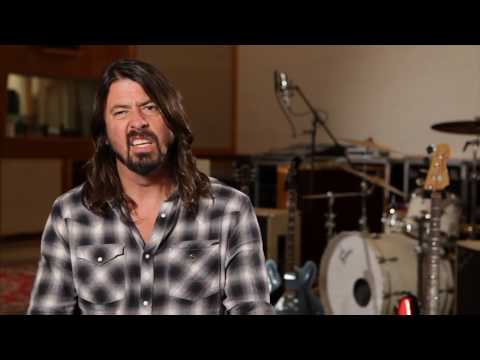
Before forming a band, it is vital to clarify the underlying motivation for doing so, as this foundation shapes every subsequent decision.
Determining whether the intent is casual enjoyment or pursuing a professional music career will directly influence the expectations and commitment levels of all involved. A clearly defined motivation helps each member understand what they are working towards, minimising future conflicts and misaligned priorities.
Establishing a shared purpose guarantees everyone is on the same page, fostering cooperation and resilience in the face of challenges. This clarity also aids in identifying suitable musicians who share similar goals, building a cohesive group dynamic.
Additionally, knowing your motivation assists in targeting the right audience and venues, setting a strong direction for the band’s identity from the outset. Moreover, understanding your audience insights can significantly enhance your marketing strategies as you navigate your band’s journey.
Choose Your Band’s Musical Style and Vision
Once the band’s purpose is clearly established, the next step is to define its musical style and vision. This involves open discussion among those interested in finding band members about their musical influences, preferred genres, and the overall sound they wish to create.
Deciding whether the band will focus on original music, cover songs, or a mix of both is essential, as this choice shapes repertoire and songwriting approaches. Setting clear goals—whether aiming for relaxed jam sessions or pursuing professional gigs—aligns commitment levels and expectations.
Visualising the target audience and types of venues also helps refine the band’s musical direction and marketing efforts. Ultimately, ensuring all members share and understand the musical vision strengthens collaboration and maintains enthusiasm throughout the band’s creative journey. Additionally, identifying an online presence can greatly enhance the band's visibility and connect with potential fans early on.
Learn Your Instrument and Improve Your Skills
Before bringing a band together, aspiring musicians should commit to daily practice to build consistency and progress on their chosen instrument.
Mastering essential techniques and becoming comfortable with musical theory not only strengthens individual ability but also supports smoother collaboration within a group. Additionally, understanding basic mixing and mastering can enhance the overall quality of your band's recordings and performances.
Focusing on these fundamentals lays a strong foundation for future creative work as a band.
Commit to Daily Practice
Establishing a routine of daily practice is essential for anyone seeking to master an instrument and grow as a musician. Consistency not only accelerates individual skill development but also contributes to developing chemistry within a band setting.
Research indicates that systematic, focused practice—ideally 30 minutes to an hour each day—leads to measurable improvement in technique and musicality. Incorporating diverse exercises, from scales to chord progressions and learning full songs, guarantees balanced growth.
Utilising online resources, such as video tutorials or practice apps, can introduce fresh perspectives and keep routines engaging. Periodically recording practice sessions helps musicians objectively assess progress and pinpoint areas for refinement.
Commit to a daily practice schedule.
Diversify exercises for thorough skill building.
Use digital tools to enhance learning.
Review recordings to monitor advancement.
Master Essential Techniques
Developing proficiency on a chosen instrument forms the foundation for any successful band member. Before joining a group, musicians should dedicate time to thoroughly learning their instrument, ensuring they contribute confidently and effectively to the band’s overall music.
Consistent, focused daily practice—at least 30 minutes—sharpens technical skill and musicality, both vital for performing original songs. Participating in local jam sessions or workshops offers valuable opportunities to play music with others, fostering adaptability and improvisation skills necessary for dynamic band settings.
Recording practice sessions enables musicians to objectively assess progress and address weaknesses. This commitment to mastering essential techniques guarantees each member not only performs at a high level but also brings creativity and unique ideas when collaborating on original songs within the band.
Explore Musical Theory
Building on technical proficiency, a solid grasp of musical theory greatly expands a musician’s creative possibilities within a band.
Musicians looking to contribute meaningfully to music production should study scales, chords, and key signatures, as this foundation directly supports songwriting and improvisation.
Reading sheet music and understanding musical notations streamline communication during rehearsals and performances. Mastery of rhythm and time signatures is essential for maintaining unity within the group.
Ear training further sharpens listening skills, enabling musicians to recognise pitches and chord progressions, which benefits both performing and composing.
To deepen their theoretical understanding, musicians should focus on the following:
Practise scales and arpeggios regularly.
Use a metronome to develop precise timing.
Study sheet music and notation.
Engage in ear training exercises.
Find Committed Band Members Who Share Your Goals
When starting a band, it is essential to align musical ambitions early to avoid future conflicts and guarantee a unified direction. Reliability and personal chemistry are just as important as technical skill when choosing band members. Prioritising these factors lays a strong foundation for a committed and successful group. Additionally, collaborating with other artists can further enhance your band's creative output and broaden your reach in the music industry.
Align Musical Ambitions Early
Before forming a band, clearly identifying and communicating musical ambitions—such as preferred genres and long-term goals—is essential to ensuring all members share a unified vision.
Early discussions about these ambitions help filter candidates, ensuring new members align with the group’s direction.
Utilising local networks, online platforms, and community groups is effective for finding musicians who match not only in skill but also in vision clearly.
Informal jam sessions provide a practical setting to gauge compatibility in both style and aspirations.
Setting expectations upfront creates a foundation for a motivated and cohesive group.
Define genre preferences and long-term goals with potential members.
Use networks and social platforms to find musicians whose vision clearly matches.
Hold jam sessions to assess musical and personal compatibility.
Establish clear expectations for commitment and creative collaboration.
Prioritise Reliability and Chemistry
A strong band begins with selecting members who demonstrate reliability and genuine commitment to shared goals. Musicians should be chosen not only for their technical skills but also for their willingness to honour rehearsal schedules and performance commitments.
Evaluating chemistry is equally vital; informal jam sessions or auditions reveal interpersonal dynamics and guarantee potential members can collaborate positively. Utilising local networks, social media groups, and platforms like Bandmix helps identify musicians aligned with the band’s vision.
Establishing clear expectations regarding time, rehearsals, and individual roles in a band agreement helps maintain accountability. Encouraging open communication and constructive feedback further strengthens trust and unity.
Ultimately, prioritising reliability and chemistry sets the foundation for sustained collaboration and success, making sure every member contributes to the group’s collective progress.
Clarify Band Roles and Responsibilities
While forming a band brings together diverse talents, defining clear roles and responsibilities is essential for effective collaboration and long-term success.
Core members should openly discuss and agree on band roles to guarantee every aspect of operations is covered and no task is overlooked. Allocating specific duties not only streamlines group function but also prevents misunderstandings and conflict.
Effective bands identify key positions and assign them based on each person’s strengths and interests. Consider the following essential responsibilities:
Bandleader: Represents the group in decisions and communication with outsiders, providing a consistent point of contact.
Rehearsal Director: Organises practice sessions and leads rehearsals to maintain productivity and focus.
Public Relations Manager: Manages the band’s image, social media, and public engagement.
Bookkeeper: Handles finances, budgeting, and expense tracking.
Additionally, strong fan engagement serves as a powerful marketing tool that can enhance the band’s visibility and connection to the audience.
Agree on Practice Commitment and Scheduling
Consistent practice is fundamental to a band’s development and cohesion, making it vital for all members to agree on a regular rehearsal schedule. Establishing a routine that accommodates everyone’s availability fosters commitment and guarantees steady progress.
Clearly communicating the expected frequency of practice—ideally at least once a week—helps set standards for accountability among group members. Utilising shared calendars or scheduling apps allows the band to track rehearsal times and promptly communicate any changes, minimising confusion.
Additionally, discussing individual preparation responsibilities before each session maximises productivity and rehearsal efficiency. Setting clear expectations regarding attendance and participation is essential; addressing potential scheduling conflicts in advance reduces misunderstandings and helps maintain a positive dynamic.
A mutual commitment to practice forms the backbone of a successful band, enhancing audience engagement through regular performances and improved musical cohesion.
Secure a Reliable Rehearsal Space
Securing a dependable rehearsal space lays the groundwork for productive band practices and creative growth.
The right location fosters commitment among members and enables focused collaboration. A rehearsal space should comfortably fit all members and their equipment, offering good acoustics for ideal sound.
Band members often explore options such as garages, basements, community centres, or professional studios, prioritising places where noise levels will not cause issues. Soundproofing enhances privacy and minimises distractions, while adequate amenities make sessions efficient and comfortable.
Consistent access to the rehearsal space is vital; a regular practice schedule reinforces dedication and drives progress. Additionally, high-quality sound engineering can significantly improve the overall rehearsal experience and help bands refine their sound.
Evaluate potential spaces for size, acoustics, and noise tolerance.
Assess soundproofing needs for a distraction-free environment.
Confirm amenities like outlets and seating are available.
Establish a consistent schedule to build commitment.
Choose a Unique Band Name That Reflects Your Identity
With a rehearsal space established, attention turns to crafting a band name that encapsulates the group's identity. The band name should mirror the band identity, aligning with their musical style and ethos to make a strong first impression. A memorable and easy-to-spell name enhances discoverability across online platforms.
Before finalising, it is crucial to conduct thorough searches on Spotify, Instagram, and Google to confirm the name's uniqueness and avoid legal complications. Checking website name availability further supports future online presence.
The naming process works best as a collaborative effort, allowing all members to contribute and share ownership. Creative brainstorming—drawing from favourite songs or using stream-of-consciousness lists—can spark original ideas. Additionally, a strong branding strategy can help solidify the band's identity in a competitive music landscape.
Ultimately, the chosen band name forms the foundation for the group’s public identity.
Create Your Band’s Visual Style and Branding
Establishing a memorable band name is only the first step in building a strong identity.
A cohesive visual style, including a distinctive logo and consistent imagery, reinforces the connection between the band's music and its public image. Additionally, embracing individuality and creativity can help your band stand out in a crowded music scene.
Choosing a Memorable Name
Although the creative process of forming a band can be exciting, selecting a memorable name is an essential branding decision that directly impacts discoverability and audience connection. The band name should reflect the group’s musical style while remaining easy to spell, making sure fans can find the band online.
A unique band logo, created to complement the chosen name, will strengthen the band's visual identity and reinforce its brand. Additionally, verifying that the band name is available on major streaming and social platforms helps avoid confusion with existing artists.
The following steps can help guide the process:
Confirm the band name is relevant, memorable, and easy to search.
Check for name availability on platforms like Spotify and Instagram.
Secure a matching website for future web presence.
Design a unique band logo reflecting your sound.
Designing a Cohesive Identity
While a memorable name lays the groundwork for recognition, a cohesive visual identity transforms a band into a brand. The band name should reflect the group’s musical style and be easy to spell, ensuring searchability across digital platforms.
A distinct visual style—comprising a unique logo and co-ordinated attire—reinforces the band’s genre and personality. Consistency in all promotional materials, including flyers and social media graphics, strengthens recognition and helps the band stand out to fans.
A well-crafted biography, aligning with the chosen visual style, succinctly conveys the band’s story and musical essence to potential listeners and venues.
Finally, verifying the availability of the band name on streaming services, social media, and as a web address is essential for building a unified and accessible online presence.
Build Your Band’s Repertoire of Originals and Covers
To create a compelling setlist, a band should begin by developing a core collection of original songs alongside carefully chosen covers. Establishing a solid foundation of at least 12 original songs guarantees enough material for a standard live set, while covers help connect with diverse audiences and showcase the band’s versatility.
Selecting covers that suit the band’s style and skill level promotes confidence and audience engagement. Regular review and updating of the repertoire keeps performances fresh and relevant.
Start with a manageable setlist of 30-40 minutes, gradually expanding as the band writes or selects more songs.
Choose covers that resonate with both the band and intended audiences.
Build a strong base of original songs for identity and differentiation.
Continuously refine sets based on audience feedback and performance experience. Additionally, email marketing can be a powerful tool for promoting your music and engaging with fans as you build your repertoire.
Appoint a Lead Songwriter and Encourage Collaboration
Appointing a lead songwriter provides the band with a unified musical direction and consistency in its creative output. By designating one member as the lead songwriter, the group guarantees that original material reflects a cohesive vision, streamlining the creative process.
However, to maintain diversity and foster a sense of ownership, it is important to encourage collaboration among all members. Inviting everyone to contribute ideas, riffs, or lyrics broadens the band’s creative palette and strengthens group dynamics.
Scheduling dedicated songwriting sessions, separate from standard rehearsals, allows the band to focus on developing and refining new material collectively. Employing songwriting prompts or themes can further inspire creativity and exploration of new styles.
Constructive feedback during these sessions enhances both the songwriting process and the quality of the final music.
Develop a Manageable Setlist for Early Gigs
Once a collaborative songwriting process is in place, attention turns to curating a setlist tailored for early live performances. New bands should select 5-8 well-rehearsed songs that showcase their strengths and align with their genre.
Aiming for a total set of 30-40 minutes guarantees enough material without overwhelming the group. Mixing original songs with popular covers helps engage audiences during initial gigs. Familiarity and comfort among all members with each song is essential for confidence and cohesion when performing live.
Regularly updating the setlist based on audience feedback and internal dynamics allows ongoing improvement and adaptability. Bands should plan for gradual expansion, eventually increasing their set length as experience grows.
Choose 5-8 strong, well-rehearsed songs
Mix originals and audience-friendly covers
Confirm all members are comfortable with the setlist
Revise setlist based on feedback and experience
Ensure Everyone Has Quality Kit and Shares Responsibilities
Equipping each band member with reliable, well-maintained gear forms the backbone of a consistent and professional sound. Each musician should invest in quality gear suited to their role—drummers prioritise sturdy hardware and cymbals, while guitarists and bassists focus on dependable strings and amplifiers.
Essential accessories such as cables and stands must also be owned and properly maintained by each individual. For shared needs, like microphones or a PA system, pooling resources reduces costs and guarantees access to necessary equipment.
The band should clearly share responsibilities for the storage and maintenance of shared gear, designating roles to avoid confusion. Establishing financial transparency regarding shared purchases prevents disputes, with all members agreeing on cost division and understanding their financial obligations.
Record a Demo to Showcase Your Band’s Sound
To create an effective demo, a band should select three songs that best represent its unique sound and energy.
Affordable recording options include local studios with demo packages or digital platforms that enable home recording.
Careful song choice and accessible recording methods can make the demo both impressive and budget-friendly.
Choosing the Right Songs
Selecting the right songs is essential when preparing to record a demo that represents a band's unique sound. Careful song selection demonstrates not only musical ability but also artistic identity, helping a band stand out to listeners and potential venues.
When choosing the right songs for recording a demo, bands should consider a blend of original material and thoughtfully chosen covers that highlight their strengths and appeal to their target audience. Each track should be meticulously practised to guarantee a polished result.
The right mix of tempos and dynamics further showcases versatility, making the demo more engaging. A concise, three-song demo is often most effective for grabbing attention.
Include both original songs and impactful covers.
Focus on three tracks representing your style.
Ensure variety in tempo and dynamics.
Prioritise rehearsal for professional quality.
Affordable Recording Options
Once the ideal songs have been chosen and thoroughly rehearsed, the next step is capturing them in a quality demo that effectively showcases the band’s sound.
For those looking to form a band without overspending, affordable recording options are widely available. Modern recording software such as Bandlab, Riverside, and Soundtrap provide free or budget-friendly solutions for home recording, making it accessible for beginners.
Alternatively, local studios frequently offer affordable demo packages, granting access to professional equipment and guidance. To guarantee clarity and balance, instruments should be recorded separately.
A concise three-song demo best represents the band’s style and versatility. Once completed, uploading demos to Bandcamp, DistroKid, or SoundCloud increases visibility and helps the band build an online presence to attract listeners and venues.
Build Your Band’s Online Presence
While a band’s musical talent is essential, a strong online presence is equally crucial for reaching new listeners and building a loyal fanbase. Establishing your band online allows you to build an audience beyond local venues.
Social media platforms like Instagram, TikTok, Facebook, and YouTube help connect with potential fans and share updates. A professional website offers centralised access to your music, biography, upcoming gigs, and booking information, making it easier for promoters and listeners to engage with your band.
Online music platforms such as Bandcamp and SoundCloud broaden your reach and make your tracks easily accessible. Consistent and meaningful online engagement is key to cultivating loyalty and community.
Create and maintain social media accounts
Develop a professional band website
Upload music to streaming platforms
Engage directly with followers
Showcase Your Band With Photos and Videos
Capturing dynamic moments with high-quality photos and videos allows a band to present its unique energy and personality to a wider audience.
Sharing engaging clips from live performances or rehearsals on social media can draw in new listeners and keep current fans interested.
Consistent visual content helps the band stand out and strengthens its connection with followers.
Capture Dynamic Band Moments
A strong visual presence is essential for any band aiming to connect with audiences and stand out in a crowded music environment. Capturing dynamic band moments through high-quality photos and engaging videos can be a powerful way of building an audience.
These visuals not only showcase the band’s energy and authenticity but also serve as valuable assets for promotion. Whether using candid rehearsal shots or polished footage from a professional photographer, every image and clip contributes to a band’s story and appeal.
Effective content captures genuine interactions, unique personalities, and the excitement of live music.
Use natural lighting and candid moments to authentically capture dynamic band moments.
Hire professionals for key gigs to enhance your promotional materials.
Compile highlight reels with video editing software.
Regularly update social media with behind-the-scenes content.
Share Engaging Performance Clips
How can a band stand out in the crowded digital terrain? To build visibility and attract new listeners, bands should share engaging performance clips across social media platforms such as Instagram, TikTok, and YouTube.
High-quality photos and videos from live gigs capture the group’s energy and stage presence, providing compelling promotional material for both fans and venue promoters. Consistent posting of behind-the-scenes moments—like rehearsals or soundchecks—fosters a deeper audience connection and sustains interest in the band’s journey.
Performance clips should highlight not just musical skill but also the band’s interaction with the crowd, ensuring a dynamic, memorable viewing experience. Compiling these highlights on YouTube creates a visual portfolio, showcasing artistic growth and making it easier for promoters to identify rising talent.
Connect With Local Musicians and Venues
Where can aspiring band members find like-minded musicians and performance opportunities in their area?
To connect with local musicians, individuals should explore multiple avenues within their community and online. Social media platforms such as Facebook and Reddit host local music groups where musicians share posts about forming bands or seeking collaborators.
Attending open mic nights and jam sessions at local venues enables face-to-face connections and an opportunity to observe various musical styles. Community centres, music shops, and colleges often serve as gathering spots for musicians looking to network.
Additionally, building relationships with venue owners and event promoters provides valuable insights into the local music scene.
Join local music groups on social media to connect with musicians.
Attend open mic nights and jam sessions.
Visit community centres and music shops.
Network with venue owners and promoters.
Book Your First Gigs Professionally
To secure early performance opportunities, a band should prepare a concise electronic press kit that showcases their music and background.
Targeting venues that suit their style and experience level increases the likelihood of successful bookings.
Clear, professional communication with venue representatives sets the right tone and can open doors to future gigs.
Prepare Your Booking Materials
Every successful band needs a well-prepared set of booking materials to approach venues professionally and secure their first gigs.
To make a strong impression and increase the chances of being booked, bands should prepare essential materials that highlight their talent and professionalism.
Carefully crafted booking materials demonstrate the group’s commitment and make it easier for venue promoters to evaluate suitability. A thorough approach guarantees that all relevant information is presented clearly and concisely.
Electronic Press Kit (EPK): Include a band bio, high-quality photos, music samples, and contact details.
Engaging Demo: Prepare a concise recording of your top three songs that showcase your unique sound and performance skills.
Social Proof: Add social media links and press quotes to boost credibility.
Professional Communication: Follow up with venues to reinforce interest and professionalism.
Target the Right Venues
While many new bands are keen to perform live, careful research is essential to identify venues that align with their genre and intended audience.
To effectively target the right venues, bands should investigate local options known for featuring similar musical styles. This increases the likelihood of reaching receptive listeners and creating a positive performance environment.
Starting with smaller gigs at these targeted venues allows bands to gain experience and build a local following. Utilising a demo recording in communications with venue promoters or booking agents can strengthen a band’s pitch, highlighting their suitability for the event.
Additionally, exploiting personal connections within the music community can reveal hidden opportunities and help expand future gig possibilities.
Strategic targeting guarantees steady growth and maximises the impact of each performance.
Communicate With Professionalism
Establishing credibility with venue promoters requires clear, professional communication from the outset. Bands that communicate with professionalism are more likely to be taken seriously and secure bookings.
A well-crafted introduction—including the band’s genre, a demo link, and proposed set length—demonstrates preparedness. Creating a polished Electronic Press Kit (EPK) with music samples, bios, photos, and contact information further strengthens a band’s case.
Additionally, researching venues that match the band’s style increases the likelihood of a successful pitch. Networking at local events can open doors and provide valuable contacts.
If initial outreach does not yield a response, polite follow-ups show persistence without being intrusive. Bands may also seek representation from booking agents for expanded opportunities.
Compose concise, informative messages.
Present a professional EPK.
Target suitable venues strategically.
Follow up respectfully and persistently.
Promote Your Band’s Gigs Online and Offline
To maximise attendance and build a loyal fanbase, bands must promote their gigs using both online and offline channels.
The first step involves utilising social media platforms such as Instagram, Facebook, and TikTok to share engaging content—eye-catching visuals, song snippets, and countdowns—that creates anticipation for upcoming shows.
Bands can also design flyers and posters for display in local cafés, music shops, and community centres, ensuring outreach to those who may not be active online.
Creating event pages on platforms like Eventbrite or Songkick streamlines ticket purchasing and provides essential details.
Additionally, collaborating with local bands to cross-promote gigs expands reach within the community.
Effective promotion, both digital and traditional, increases visibility, helping bands draw larger crowds to their first and subsequent performances.
Engage With Fans Before and After Performances
How can a band deepen its connection with listeners beyond the music itself? To engage a fan base effectively, efforts must extend before and after performances.
Building anticipation can start with social media posts announcing upcoming gigs, sharing excitement, and encouraging attendance, which fosters a sense of community.
After performances, expressing gratitude through shout-outs or personal interactions helps nurture loyalty and inspire word-of-mouth support.
Collecting email addresses at gigs enables ongoing engagement via newsletters, providing updates on new music, shows, and exclusive content.
Offering limited-edition merchandise or unique behind-the-scenes glimpses can further strengthen fans’ investment in the band.
Announce gigs and share excitement on social media.
Thank fans after shows, both online and in person.
Collect emails for newsletters and exclusive updates.
Offer exclusive merchandise or behind-the-scenes content.
Keep Improving Your Music and Band Chemistry
Consistent growth defines a successful band, both musically and interpersonally. To maintain this trajectory, bands should regularly assess band dynamics and communication, ensuring a positive environment that strengthens chemistry among members.
Collaborative songwriting sessions are essential, as they allow each musician’s creativity to shape the group’s identity and foster a more unified sound. Recording rehearsals offers a practical way to give and receive constructive feedback, helping identify areas where arrangements or individual contributions could improve.
Dedicated practice sessions focused on refining songs and performance techniques are vital for building cohesion and elevating overall quality. Additionally, team-building activities outside of music help solidify trust and camaraderie, which directly enhances collaborative efforts and musical synergy, ensuring the band’s ongoing development and harmonious growth.
Set Goals and Track Your Band’s Progress
While talent and chemistry are essential, a band’s sustained success depends on setting clear goals and systematically tracking progress. Bands that set goals—both short-term, like writing new songs each month, and long-term, such as booking a certain number of gigs—maintain direction and motivation.
To effectively track your band’s progress, it is important to evaluate setlists, rehearsals, and audience feedback, pinpointing strengths and improvement areas. Utilising shared tools, such as calendars or project management apps, guarantees everyone stays accountable for rehearsals, gig dates, and creative deadlines.
Celebrating milestones and encouraging open communication during regular progress reviews solidifies commitment and addresses concerns early.
Set specific, measurable goals.
Use shared tools to organise schedules and tasks.
Review progress and discuss feedback openly.
Celebrate achievements together.
Frequently Asked Questions
How Do Bands Get Their First Gigs?
Bands often secure their first gigs through proactive gig booking, such as sharing electronic press kits with venues, networking with local musicians, pursuing smaller venues, utilising social media, and employing effective performance strategies to demonstrate professionalism and attract opportunities.
What Is the Hardest Instrument to Play in a Beginner Band?
The French horn is widely regarded as the hardest instrument to play in a beginner band, though woodwind instruments like the oboe and bassoon also pose significant challenges. Percussion challenges exist, but brass and woodwinds are typically tougher.
How Do You Find People to Start a Band With?
A band member search typically involves utilising personal networks, online platforms, and local advertisements. Prospective musicians often participate in informal jam sessions, allowing for evaluation of musical compatibility and ensuring all members share aligned expectations and goals.
How to Be Ready for Your First Gig With Your Band?
To be ready for their first gig, a band should establish consistent rehearsal schedules, focus on developing stage presence, guarantee equipment functionality, perform sound checks, and promote the event in advance to attract an audience and create a smooth performance experience.
Conclusion
Starting a band requires passion, planning, and perseverance. By clarifying goals, choosing a musical direction, honing skills, and assembling a committed group, aspiring musicians can lay a strong foundation. Clear roles, effective promotion, and meaningful fan engagement all contribute to a band’s growth. Continuous improvement and goal setting guarantee ongoing progress. With the right approach and determination, new bands can move from rehearsals to memorable gigs, building both their music and a loyal following along the way.
Subscribe to our newsletter
Stay updated with the latest Muso news, tips, and success stories. Subscribe to our newsletter and never miss an update!


