


A DMCA takedown is a request to remove allegedly infringing material from an online platform. For musicians, it is the U.S. notice-and-takedown process under Section 512 used when copyrighted music is posted online without permission.
This guide explains when that process fits, what proof to gather, how to send or challenge a notice, and when permission, royalties or legal advice are the real next step. It is general information, not legal advice.
Table of content
Introduction
Key Takeaways
What a DMCA takedown actually means
First, work out whose right is involved
When a DMCA takedown fits, and when permission is the better fix
Before you file, gather proof first
How to send a DMCA takedown notice
If your music or video was taken down
Registration, royalties and what changes if the dispute escalates
Common musician scenarios and mistakes
When to speak to a qualified music lawyer
Frequently Asked Questions
Conclusion
Key Takeaways
A DMCA takedown is a removal request, not a licence. It asks an online service provider to remove or disable access to material you say infringes your copyright.
Music rights often split in two. The issue may involve the composition, the sound recording, or both, so work out which right you actually control before you file anything.
Registration helps later, but it is not required to send a notice. For U.S. works, registration matters if the dispute turns into a federal infringement lawsuit.
Permission problems are not always takedown problems. Covers, samples, beat leases, collaborations and distributor authorisation often need paperwork, licensing or negotiation rather than an automatic copyright complaint.
Counter-notices carry real risk. Only send one if the removal was a mistake or misidentification and you can stand behind that statement.
What a DMCA takedown actually means

A DMCA takedown is a request to an online service provider to remove or disable access to material that allegedly infringes copyright. For musicians, that usually means an unauthorised upload of your track, a video using your master, or a post that copies your song online.
It is not the whole of copyright law. If you need the ownership basics first, start with Music Copyright: How to Protect Your Songs Legally. This article is narrower: it is about the online notice-and-takedown workflow, when to use it, and how to respond if you receive one.
Important: A DMCA notice is not a licence request, a royalty claim or a shortcut through every music dispute. Use it for alleged online copyright infringement. If the real issue is permission, splits or contracts, deal with that directly.
First, work out whose right is involved
Making the complaint and proving the right are separate steps. Before you send a notice or dispute one, work out who the parties are and which copyright is in play.
The main parties are the copyright owner or authorised agent, who is entitled to complain or act for the owner; the platform or online service provider, which receives the notice through a reporting form or designated DMCA agent; and the uploader or subscriber, whose content was removed and who may answer with a counter-notice if the claim was mistaken. Other music parties such as a distributor, label, publisher, co-writer, producer or beat seller may control rights, administer them, or hold the paperwork that explains what permission existed.
Music often has two layers. One is the musical work, meaning the song itself. The other is the sound recording, meaning the recorded performance or master. A clip may infringe one, the other, or both. That is why musicians so often need split sheets, producer agreements, distributor records and release files before they act.
When a DMCA takedown fits, and when permission is the better fix
The DMCA is a U.S. law process under Section 512 of Title 17. It fits best when copyrighted music is on a service provider's system without permission and you want that use removed or blocked. If the site or service is outside the United States, copyright law is territorial and another country may use a different notice system or a different enforcement route. The U.S. Copyright Office's Section 512 guidance is the best place to check that legal scope.
Use a takedown when someone has uploaded your track, copied your recording or posted your composition online without permission. Pause and check permission first when the upload involves a cover, a sample, a beat lease, a collaboration, or a label or distributor that may already be authorised. Do not treat it as a general complaint tool. A DMCA notice is for copyright ownership or authorisation disputes. If the problem is really about privacy or publicity rather than copyright, other laws or the site's own terms may be the relevant route. Be careful with co-owned songs. A co-writer or producer dispute may be about ownership and consent, not a simple unauthorised copy. Remember the goal. A takedown removes or blocks use. It does not create a licence, repair your split paperwork or automatically pay you money.
If the real answer is permission rather than removal, focus on the licensing question instead. Authorised uses, cover releases, and sample-based tracks often need the right clearance rather than a quick complaint form.

Before you file, gather proof first
Exact URLs. Platforms need to find the allegedly infringing material precisely, not just the account name or artist page.
Screenshots and timestamps. Keep a dated record of what was online before it changes or disappears.
Your release evidence. Store release dates, ISRCs, artwork files, distributor confirmations and any upload history that shows the track is yours.
Ownership paperwork. Split sheets, writer agreements, producer agreements, label deals or publishing admin documents can matter if ownership is questioned.
Permissions and licences. If there was a cover licence, sample permission, beat lease or written collaboration approval, gather that too before accusing anyone of infringement.
Communication history. Keep emails, DMs and support tickets in case the platform, distributor or claimant asks what happened before the notice.
How to send a DMCA takedown notice
Identify the right you are enforcing. Decide whether the problem concerns the composition, the master, or both.
Collect the exact location of the upload. Use direct URLs and save screenshots so the platform can locate the material quickly.
Check whether permission may already exist. Beat licences, collaborator approvals or distributor authority can change the whole position.
Use the platform's copyright form or send a formal notice to its designated agent. A form is often easier, but the legal notice still needs the right statements and identification.
Keep records after you send it. Save the submission, confirmations and any replies in case the uploader disputes the claim or the issue escalates.
A valid notice must identify your work, identify the allegedly infringing material well enough for the platform to find it, give your contact details, include a good-faith statement, include an accuracy and authority statement under penalty of perjury, and be signed. The U.S. Copyright Office's Section 512 materials are a useful starting point if you need the formal elements or the designated agent directory.
In practice, some services point you to a form instead of asking you to draft a legal letter. Spotify says you can report music uploaded without your permission, and for your own releases it first tells you to contact your label or distributor and ask them to issue the takedown. See Spotify's artist guidance if that is your situation. SoundCloud also has a copyright-reporting route and asks for specific track URLs and ownership statements.
If your music or video was taken down
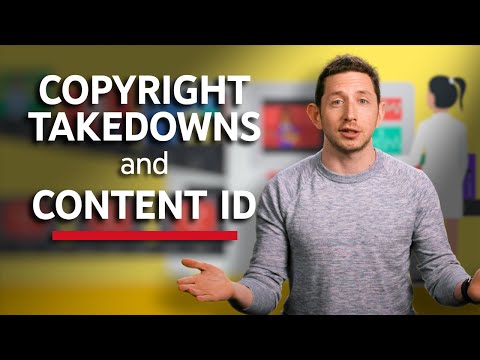
Do not rush into a dispute. First decide whether the notice is obviously wrong, partly right, or really pointing to a missing permission you need to fix. A fast but careless reply can make things worse.
What exactly was removed? A full track, a clip, a lyric video, a remix or a user-generated video can raise different rights questions.
Which right is being claimed? The complaint may target the song, the recording, or both.
Who made the claim? A platform match, a label, a publisher, a distributor, a co-writer or a beat seller can each point to a different underlying issue.
Do you have written permission? Look for licences, split sheets, producer terms, beat agreements or email approval before you answer.
Would a practical fix solve it faster? Sometimes editing the upload, getting the missing licence or asking your distributor to correct a release is better than escalating a legal dispute.
A counter-notice is appropriate only when the takedown was a mistake or the material was misidentified. It must include your signature, identify what was removed and where it appeared, state under penalty of perjury that the removal was mistaken, and include your contact details plus consent to federal court jurisdiction and service. Knowingly false counter-notices can create liability. YouTube's counter-notification guidance is a useful example of how one major platform explains that process.
After a compliant counter-notice, the platform may restore the material in no less than 10 and no more than 14 business days unless the original claimant says they filed a court action. That does not mean the dispute is over forever. It only means the platform may reinstate the content if no lawsuit is reported in that window.
Registration, royalties and what changes if the dispute escalates
Registration is not required before sending a DMCA notice, but it matters if the problem grows into a formal infringement claim. Copyright exists once your work is fixed, yet U.S. registration adds benefits such as a public record and, for U.S. works, access to federal court in infringement cases. The current Copyright Office toolkit lists registration fees of 45 dollars for a qualifying Single Application and 65 dollars online or 125 dollars on paper for a Standard Application.
If you need a damages forum without going straight to federal court, the Copyright Claims Board is a voluntary, streamlined option for some copyright disputes up to 30,000 dollars. To bring a CCB claim, you need a registration or at least an application, and the current filing fees are 40 dollars first and 60 dollars if the case continues. False notices and false counter-notices can become their own claim. The CCB can hear some DMCA misrepresentation cases, but it awards actual damages only, so the claimant has to prove harm caused by the platform relying on the misrepresentation. Royalties are separate. A takedown may stop a use and any money attached to that upload, but it does not register songs, collect digital musical-work royalties or replace licensing. For that bigger picture, see Music Royalties 101: Understanding How Artists Get Paid.
Common musician scenarios and mistakes
Most DMCA confusion comes from treating very different problems as if they were the same. These are the situations independent artists run into most often.
Unauthorised reupload of your own release
This is the cleanest takedown case. If somebody has reposted your released master or uploaded your music under another account without permission, gather the direct links, your release evidence and any distributor records, then use the platform's copyright route. If your own distributor or label controls the release, contact them first because they may be the party the platform expects to hear from.
Beat lease, cover or sample confusion
This is where musicians make the most expensive assumptions. Buying a beat does not always mean you can use it on every platform in every way. A cover release may still need the right permissions for particular videos or uses. And an uncleared sample can trigger claims from both master and publishing rightsholders. If that sounds like your problem, check the permissions carefully before you assume the notice is wrong.
Collaborator or distributor disputes
A DMCA form will not decide who really owns the song. If the fight is between co-writers, producers, a former bandmate, a label or a distributor, the real issue may be chain of title, consent or contract interpretation. Keep the paperwork together and consider legal advice early, especially if both sides can show some claim to the release.
Myths that cause problems
Credit is not enough. Naming the artist or producer does not replace permission.
Paying for a track is not the same as owning all posting rights. Licences can be limited by platform, territory, edit rights or commercial use.
A short clip is not automatically safe. There is no hard minimum amount of music you can always use without permission.
Deleting and re-uploading rarely solves the root problem. If the rights issue is still there, the next upload can be removed too.
When to speak to a qualified music lawyer
Get legal help if ownership is disputed, if the claim involves samples or fair use arguments, if a distributor or label relationship has broken down, if serious income is at stake, or if anybody mentions federal court or the Copyright Claims Board. This guide is general information, not legal advice. A qualified lawyer can tell you whether to send a notice, answer one, negotiate a licence, or preserve evidence for a larger claim.
Frequently Asked Questions
Is a DMCA takedown the same as a copyright lawsuit?
No. A DMCA takedown is a request to a platform to remove or disable access to allegedly infringing material. A lawsuit is a court case about infringement, remedies and evidence. The first can happen without registration; the second, for U.S. works in federal court, requires registration.
Can I send a notice if I have not registered the song?
Yes. Registration is not required before sending a DMCA notice. It becomes much more important if the dispute escalates and you need a formal claim path.
Does a takedown get me unpaid royalties?
Not by itself. A takedown can remove a use, but royalty collection and licensing are separate systems. If the use should continue lawfully and pay you, you need the right licence and the right royalty registrations.
What if the other person credits me?
Credit does not equal permission. A credited upload can still infringe if the uploader never had the right to use the composition or the recording.
What if I only used a few seconds?
Do not assume that is safe. The Copyright Office says there is no hard minimum amount of music you can always use without permission when permission is required.
What should I do first if my distributor put the music up?
Start with the distributor or label that delivered the release. Spotify's guidance says that for your own releases, you should contact your label or distributor and ask them to issue the takedown request. If you cannot reach them, then use the platform's infringement route.
Conclusion
If you are the rightsholder, gather the URLs and paperwork, then use the platform's copyright route or designated agent. If you received the claim, pause, check your permissions and only dispute it if you can prove the removal was mistaken. If the real issue is permission or payment, solve that directly rather than treating it as a takedown dispute.
Subscribe to our newsletter
Stay updated with the latest Muso news, tips, and success stories. Subscribe to our newsletter and never miss an update!


